Emotional Profile
(Nostalgia · Jul 2026)
People who grew up in small towns or anyone who cherishes the simplicity of youth find themselves drawn to this song's bittersweet reflection on innocence lost. It captures that pivotal moment when carefree summer days give way to the weight of adult responsibilities, when youthful dreams collide with reality. Listeners return to it during transitions in their own lives—breakups, moves, or milestones—seeking comfort in knowing their own passage through time mirrors a universal experience. The song's power lies in validating both the joy of what was and the inevitable melancholy of what can never be again.
Nostalgia hits you first—suddenly you're back at sixteen, or watching someone else live it, and you realize how fast everything changed. That initial rush unlocks something deeper: the bittersweet understanding that the carefree days were already disappearing even when you were living them, and there's no way to hold onto them no matter how hard you try.
You come back to this song when you're older and life has actually happened to you. Whether you're 30-something watching your own children grow, 55 and still partnered with your own "Jack or Diane," or 65 still rocking out—you return because it suddenly means more now that you understand what was being lost all along.
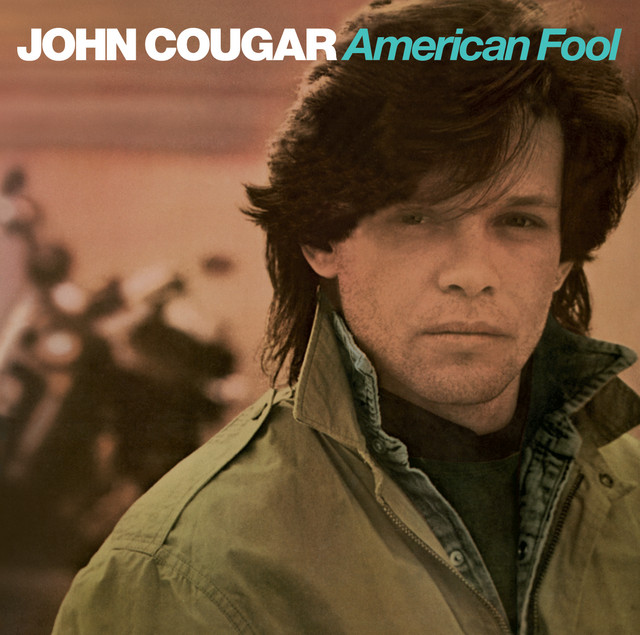
Mellencamp drew from a sophisticated narrative of moral decay and fading youth, yet listeners transformed it into something simpler and more forgiving—a wistful memory of innocence rather than a critique of it. The gap reveals that audiences instinctively soften darker source material through the lens of their own lived experience, turning literary ambition into personal memoir.