Emotional Profile
(Nostalgia · Jul 2026)
Those who grew up on street corners know this song intimately—it captures that golden hour when a neighborhood becomes a stage for friendship and possibility. Listeners connect with "Street Corner" because it crystallizes a specific kind of joy: the freedom of youth spent outdoors with people who mattered, before life pulled everyone in different directions. People return to it whenever they need to remember what it felt like to belong to a place, to a moment, to a group. It's nostalgia with movement, a song that doesn't let you sit still with your memories.
Nostalgia hits you first—suddenly you're remembering a time when music felt pure, built on love and real creativity rather than formulas. It unlocks a longing for that era when two people could write together and move the world, when artistry felt like the whole point.
You find yourself back here when you're thinking about what's been lost, or when you catch yourself missing the kind of songwriting that actually meant something. It's the song you return to when you want to remember what a powerhouse partnership looked like, and when you need proof that those days were real.
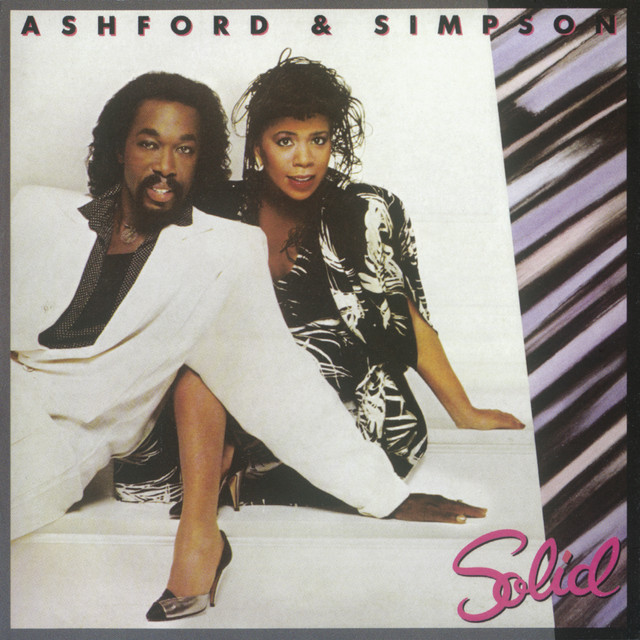
Ashford & Simpson crafted a song about urban street life and connection, but listeners reached for it as a portal to their own past—transforming a snapshot of a moment into a mirror for memory. The nostalgia that dominates their response suggests the song's real power lies not in what it depicts, but in how its textures and warmth invite people to project their younger selves onto it.