Emotional Profile
(Nostalgia · May 2026)
People who've faced systemic struggle and marginalization find themselves reflected in this track, recognizing their own battles within its narrative. The song captures a pivotal moment when communities used art to process hardship—transforming pain into a call for awareness and change. Listeners return to it because it validates their experiences while offering something larger than despair: a reminder that bearing witness through music can be a form of resistance and connection.
Nostalgia hits you first—you're transported to a time when things felt more urgent, more real, more connected to the street. That feeling cracks open something deeper, and suddenly you're reminded of struggles you've witnessed or lived through, which makes the song feel less like history and more like a mirror held up to now.
You return to this song when you need to remember why certain stories matter, or when you're facing your own hard season and need proof that speaking truth has always been an act of survival. It's the kind of track you play when you want to feel less alone in whatever you're carrying.
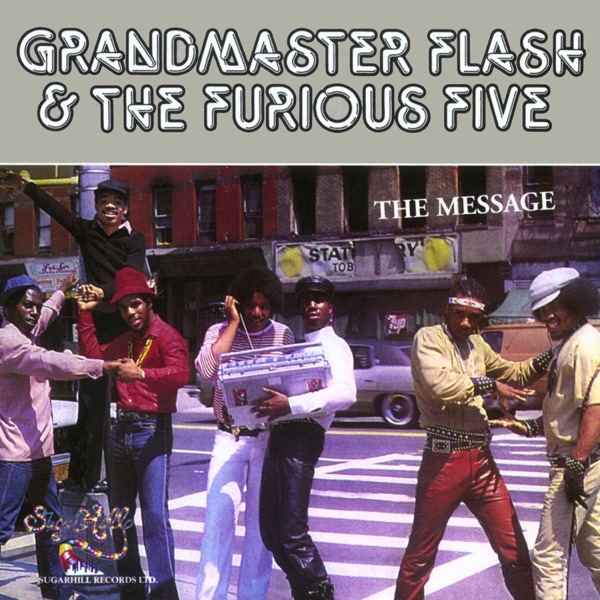
Flash crafted a diagnostic tool for urban suffering, but listeners transformed it into a time capsule—they heard the urgency and grit, then folded the song into their own memories, making it less about systemic critique and more about who they were when they first heard it. The inspiration people felt wasn't necessarily about changing conditions; it was about surviving them, which subtly shifts the song from manifesto to anthem of resilience.