Emotional Profile
(Heartbreak · Apr 2026)
Those who've loved and lost find themselves returning to "Lailah Lo Shaket" during moments of quiet reflection, when memories of the past refuse to fade. The song captures that distinctive ache of nostalgia mixed with longing—the sleepless nights when heartbreak keeps pulling you backward through time. Listeners connect deeply because the song refuses easy comfort, instead honoring the complexity of grief that doesn't simply disappear but transforms into something bittersweet and oddly beautiful. It becomes a companion for anyone learning that moving forward doesn't mean forgetting.
When you first hear this song, loneliness hits you—that hollow ache of loving someone who doesn't know what's breaking inside you. It unlocks something raw: the helplessness of carrying feelings no one sees, of walking through the city invisible while your heart screams. You recognize yourself in that emptiness.
You return to this song when life tests you hardest—during a divorce, a war, a period of quiet despair when you need permission to grieve. It becomes a companion through loss, a reminder that surviving pain and choosing to keep living are acts of defiance. People come back because it says: your suffering is real, and you're not alone in it.
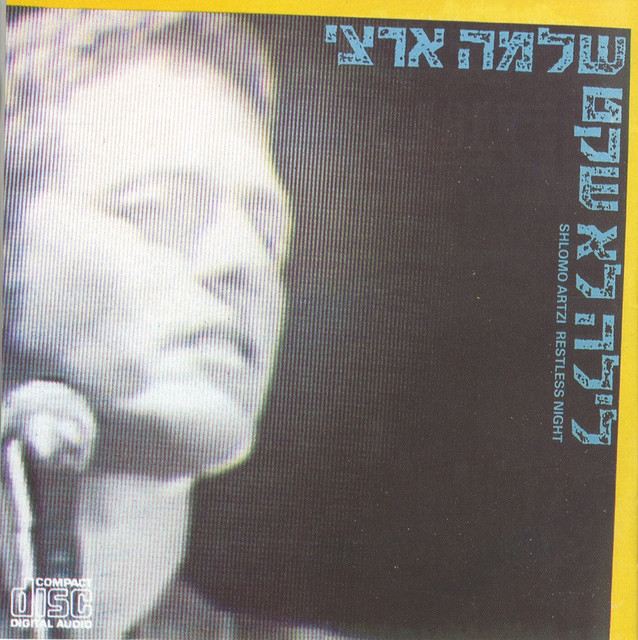
Shlomo Artzi crafted a meditation on restlessness and inner turbulence, but listeners transformed it into a vessel for romantic loss—the song's nocturnal anxiety became inseparable from the ache of absence. This gap reveals how universal emotional architecture allows a song about existential disquiet to become deeply personal heartbreak.