Emotional Profile
(Heartbreak · Jul 2026)
People who've sacrificed for loved ones find themselves drawn to "No Charge," particularly those navigating the complex emotions of caregiving and family obligation. The song captures that bittersweet moment when someone realizes the true cost of love—not in monetary terms, but in quiet devotion given without expectation of repayment. Listeners return to it during seasons of reflection, when they're processing what they've given and what they've received from those closest to them. It speaks to anyone who understands that some debts can never be settled, only honored.
You feel the weight of gratitude hit you first—realizing all the invisible labor someone has done for you without asking for repayment. That recognition unlocks something deeper: the understanding that true love never comes with a bill, whether it's a parent, a stepparent, or anyone who showed up when it mattered. Suddenly you're seeing every sacrifice they made as an act of choice, not obligation.
You return to this song when you're older and understand what your own parents actually gave up. It might be when you're watching your child leave home, or when you're doing the everyday work of caring for someone—mowing the lawn, buying groceries, showing up—and you realize there's no way to settle that debt. The song becomes a quiet conversation between you and everyone who loved you without keeping score.
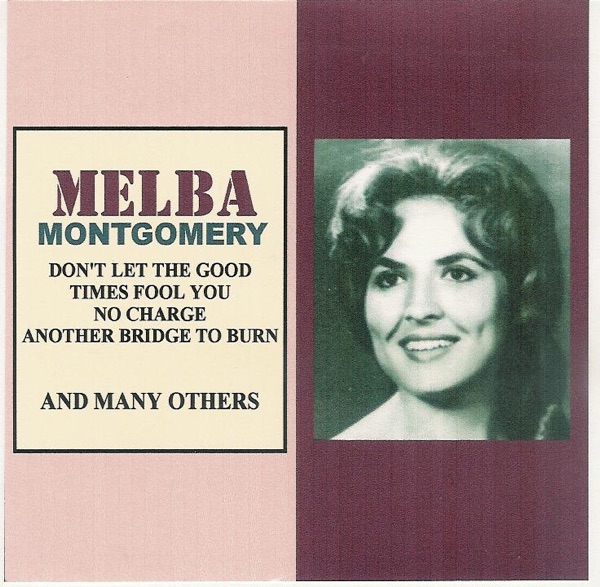
Montgomery crafted a song about maternal sacrifice and unconditional love, yet listeners heard something rawer—the ache of loss and time's passage. The gap reveals how acts of devotion, when reflected upon, become tinged with longing; what was meant as a celebration of selflessness resonated as an elegy for relationships that can never be repaid or returned to.