Emotional Profile
(Nostalgia · Apr 2026)
Those who have loved and lost find themselves returning to 'Weeping Wall' during moments of quiet reflection. The song captures the ache of remembering someone who has become part of your past, a place of grief that feels both sacred and isolating. Listeners connect deeply with this track when they're processing the weight of absence—those periods when nostalgia turns into heartbreak. They keep coming back because the song validates the beauty in sorrow, offering a companion for the lonely work of moving through loss.
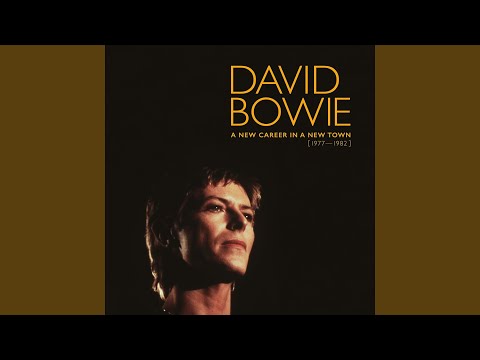
Nostalgia hits you first when you hear this song—not just for the music itself, but for a person who defined what it meant to constantly transform. That longing unlocks something deeper: gratitude for the moments you witnessed, whether live on stage or through a screen, and the ache of knowing those moments are sealed in the past. You're left holding both the joy of what he gave and the weight of his absence.
You return to this song when you need to feel close to him again, or when you're reminded of your own brush with his artistry—a concert you attended, a lyric that shaped you, a time in your life when his music mattered most. It becomes a way to sit with missing someone whose influence was so profound that it rewired how you see creativity itself. In those quiet moments of reflection, you let the song remind you that some people leave an imprint that never fades.
Bowie constructed a song explicitly about political division and urban decay, yet listeners heard something far more intimate—they felt the ache of personal loss rather than ideological distance. The gap reveals that abstract suffering becomes universal only when it resonates through the body's memory; the Berlin Wall's concrete tragedy transformed into the concrete weight of nostalgia in listeners' chests.