Emotional Profile
(Nostalgia · Jun 2026)
People who've loved and lost find themselves drawn to "Longfellow Serenade," particularly those navigating the tender space between cherished memories and present heartache. The song captures that bittersweet moment when someone realizes a chapter of their life—and a relationship—has become something to remember rather than live. Listeners return to it during quiet nights or long drives, seeking permission to feel both the beauty and the pain of what once was. It becomes a companion for those learning that nostalgia and heartbreak aren't opposites, but two sides of the same coin.
Nostalgia hits you first, pulling you back to a time when love felt simpler and more certain. That ache unlocks something deeper—a recognition of what you've lost, not just in relationships but in yourself. The song doesn't let you sit with just the longing; it reminds you that those moments were real, even if they're gone now.
You return to this song when you're alone with your thoughts, maybe after seeing someone's name pop up unexpectedly or during a quiet evening when old memories surface. It becomes the soundtrack to reconciling who you were then with who you are now. Sometimes you need it to remember that heartbreak, while painful, was proof that something mattered.
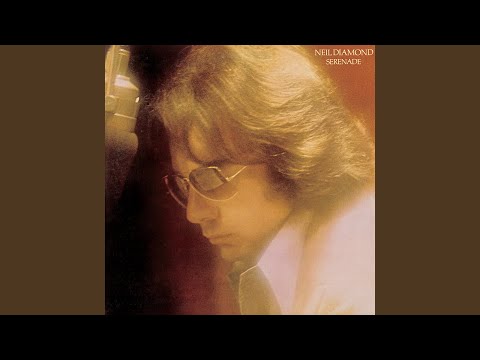
Diamond crafted a song with literary pretension and a supposedly dark subtext, but listeners heard something far simpler: the ache of memory and lost love. The gap reveals that audiences reject complexity when melody and sentiment offer an easier escape—they transformed Diamond's intellectual conceit into pure wistfulness, proving that nostalgia is a more powerful drug than cleverness.