Emotional Profile
(Nostalgia · Apr 2026)
People drawn to 'Clint Eastwood' are those chasing reinvention—listeners navigating transitions between who they were and who they want to become. The song captures that pivotal moment when nostalgia meets forward momentum, when looking back doesn't mean staying stuck. They return to it as a companion during career shifts, creative breakthroughs, or personal comebacks, finding in its energy the permission to move boldly into uncertain territory.
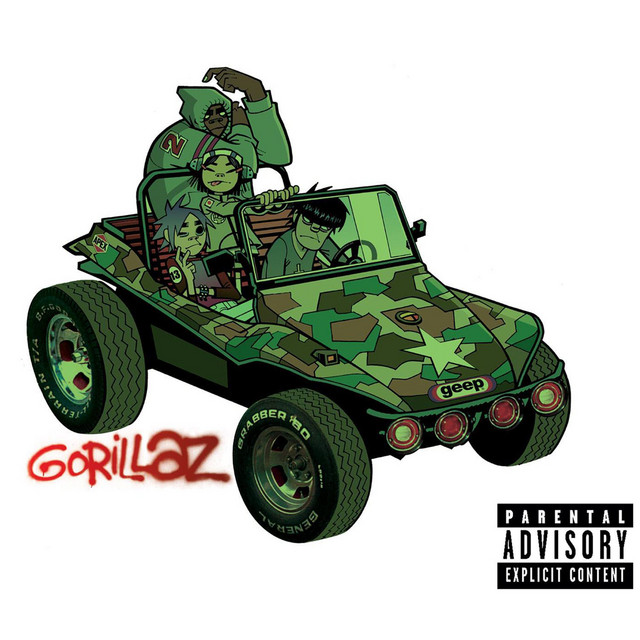
The first thing that hits you is a strange pull backward—like someone's just opened a door you didn't know was closed. There's this immediate rush of recognition, a feeling that lives somewhere between "I know this" and "I've never seen this before." Your chest tightens with something that feels like joy mixed with time travel. These characters step into view and suddenly you're not just watching—you're remembering a version of yourself that believed in things like this, that thought art could be genuinely weird and still belong to you.
What surfaces is something deeper than memory. People return to this again and again carrying a specific kind of loneliness—the feeling of being an outsider, of not quite fitting. There's 2D standing there awkwardly, and somehow that awkwardness becomes permission. You can be uncomfortable and still be part of something. You can be "useless" and still matter. Parents watch with their children. People in different languages, different countries, all pressing play during spooky season or when they need to remember who they were. They're carrying the weight of growing older while these characters stay the same, stay true to something.
What unites everyone in that moment is the shock of seeing imagination made real. This wasn't supposed to work. Cartoon characters weren't supposed to feel this alive, this present, this capable of making you *feel*. But they do. And in that shared disbelief, millions of people recognize each other—recognize that they still believe in impossible things.
When it ends, you're left with a specific kind of hope. Not the easy kind. The kind that comes from watching something flawed and strange and genuinely original prove that it deserves to exist. You understand that sometimes the future isn't about perfection—it's about daring to show up exactly as you are, even if you're uncomfortable doing it.
Gorillaz crafted a song meant to feel contemporary and edgy, yet listeners latched onto it as a time capsule—the production's synthetic coolness became a nostalgic anchor rather than a futuristic one. The gap reveals how a song designed to unsettle actually comforted people, wrapping them in memories of a specific era rather than pushing them forward.