Emotional Profile
(Nostalgia · May 2026)
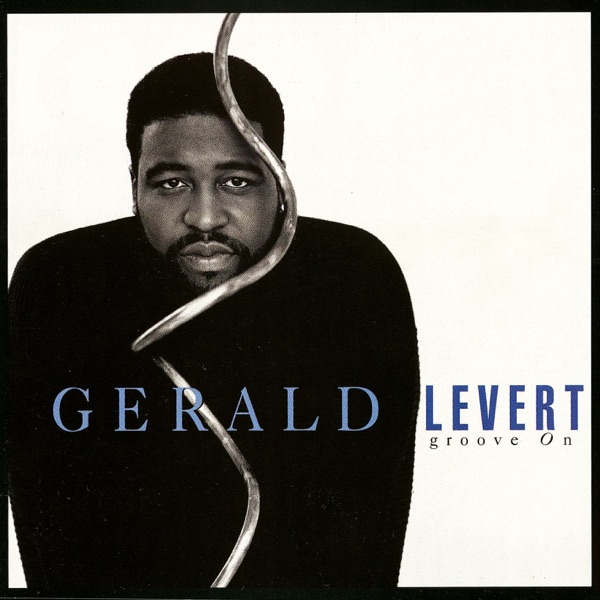
Those who've loved and lost find their deepest reflection in "Can't Help Myself," a song that speaks to anyone caught between wanting to move forward and being pulled back by memory. Gerald Levert captures that raw moment when heartbreak collides with the realization that some feelings simply refuse to fade, no matter how much time passes. Listeners return to this track during their own moments of romantic struggle, finding both a mirror for their pain and a quiet reminder that survival through heartbreak is possible. The song's power lies in its honest portrayal of human vulnerability—the bittersweet acceptance that we cannot always control who we love or when we stop.
Nostalgia hits you first—that feeling of remembering someone who mattered, a moment you can't quite get back. It opens up a quiet ache, the kind that makes you sit with your own past and all the choices that led you here. There's something in that memory that won't let go, and you find yourself wanting to understand what you couldn't then.
You come back to this song when you're trying to move forward but something keeps pulling you backward. It's the soundtrack for late nights when you're honest with yourself about what you've lost, or when you need permission to feel the weight of it all. Those moments remind you that you're not alone in struggling to let something go.
Gerald Levert crafted a song rooted in a specific moment—a 1993 film about urban struggle—yet listeners didn't cling to that narrative context. Instead, they transformed it into something more universal: a meditation on longing and loss that transcends its cinematic origins. The song's genius lies in how its emotional architecture allows nostalgia to become the dominant frame, suggesting that what Levert intended as a snapshot of a particular era became, for listeners, a portal to their own buried memories.