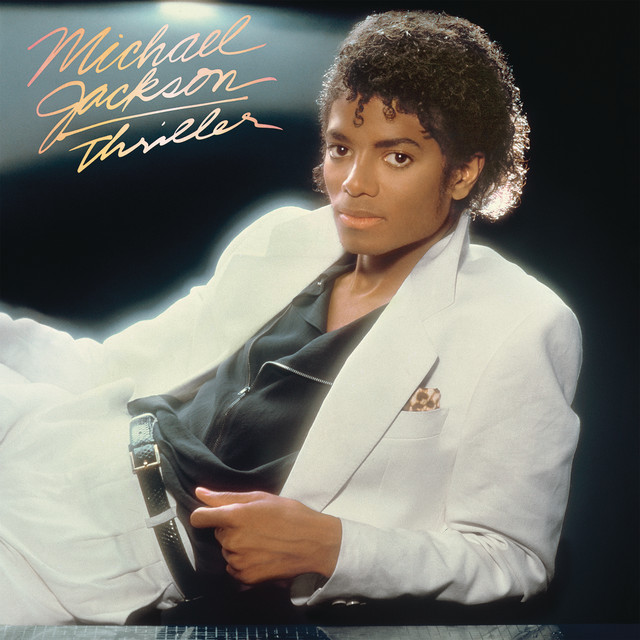
Emotional Profile
(Nostalgia · Apr 2026)
People who grew up with pop culture's greatest moments find themselves drawn to 'Billie Jean' as a portal back to that era of unlimited possibility. The song captures that electric feeling of being young, unstoppable, and ready to take on the world—a sensation that returns whenever the iconic beat drops. Listeners return to it not just for the rush of energy, but because it reminds them of who they were when they felt most alive, making it an anthem for anyone chasing that spark again.
The first wave hits you like recognition—not of something new, but of something you've always known. Your chest tightens with a sudden surge of aliveness, a jolt that says *yes, this exists, this is real*. It cracks something open in you that's been sealed for years. Maybe it's the first time you're hearing it, or maybe it's the hundredth, but each time feels like touching something sacred. Your body remembers before your mind does. You want to move.
When you press play, you're carrying something specific. You might be someone who witnessed a moment in history—even if only through a screen, through stories, through the echo of what happened when the world stopped and watched. Or you're someone younger, discovering that greatness existed before you were born, and it still makes your skin electric. You return because this reminds you that humans can be more than human. That perfection is possible. That there was a time when one person's presence changed everything.
Millions of people across decades and continents feel the same ache in these moments. It's not nostalgia for a sound—it's mourning for a standard that seems impossible now. It's the shared understanding that you lived in or inherited a era of unmatched mastery, and something fundamental shifted when that era ended. Whether you watched it live or discovered it years later, the feeling is identical: *I wish I could have been there. I wish there were more moments like this.*
When it ends, you're left with a tender kind of longing. You've just moved through time itself—past and present colliding in your body. What lingers is the certainty that you've touched something that will outlive everyone in this room. You understand now that greatness leaves a wound that never fully closes, and maybe that's exactly what it should do.
Jackson crafted a song about accusation and denial—a deeply personal defense against a false claim—yet listeners heard something universal: the unstoppable pulse of their own past, a sonic time machine that makes them feel simultaneously young and alive. The song's genius lies in how its narrative urgency became secondary to its rhythmic inevitability, transforming a cautionary tale into pure forward momentum.