Emotional Profile
(Nostalgia · Jun 2026)
Those who felt invisible in their youth find a mirror in this song—people who remember the sting of exclusion and the gap between who they were told to be and who they actually were. It captures that pivotal moment when heartbreak becomes a catalyst for self-discovery, transforming adolescent pain into quiet resilience. Listeners return to it not for comfort, but for validation; it reminds them that their struggles mattered and that growing up meant learning to value themselves when the world hadn't yet.
Nostalgia hits you first—a sharp recognition of a time when you felt like an outsider looking in. It opens up memories of moments when you believed you weren't enough, when belonging seemed like something everyone else had figured out. That ache of remembering your younger self settles in, and suddenly you're reconnecting with the person you were.
You return to this song when you're reflecting on how far you've come, or when you're watching someone else navigate the same lonely corridors you once walked. It becomes a companion during moments of quiet triumph, reminding you that the pain you survived had meaning. You play it to honor the strength it took just to survive being seventeen.
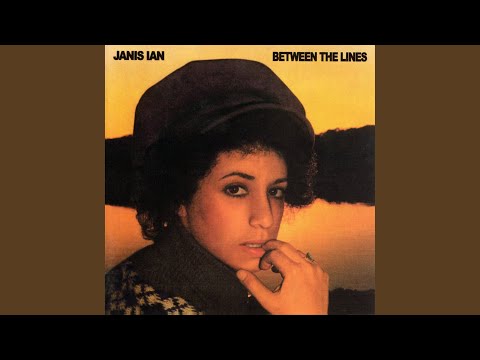
Janis Ian crafted a revenge fantasy—a vindication narrative where the rejected become the victors—but listeners heard something more tender: a time machine back to their own adolescent wounds. The song's power lies not in its promise of future triumph, but in how it validates the specific ache of being seventeen and invisible, transforming bitterness into something closer to self-recognition than retaliation.