Emotional Profile
(Nostalgia · Jun 2026)
Those who have experienced the bittersweet ache of looking back on their past connect deeply with this song—people revisiting chapters of their life that felt simpler, brighter, or more hopeful. It captures that universal moment when nostalgia meets the realization that certain times, relationships, or versions of ourselves are irretrievably gone. Listeners return to it as a kind of emotional mirror, finding solace in the song's acknowledgment that life's most beautiful moments often hurt the most when we remember them. The song transforms personal regret into something shared and understood, making loneliness feel less isolating.
Nostalgia hits first, and it opens up a tender ache for a time you can't quite return to. You're suddenly aware of how much has changed, of friendships that have drifted and moments that felt endless but are now gone. That recognition settles into something deeper—a quiet heartbreak for the person you were.
You come back to this song when you're reflecting on a chapter that's closed, or when you see someone from your past and realize how far life has taken you both. It's the soundtrack for those unexpected moments when you realize that the best days might already be behind you, and you need to sit with that feeling for a while.
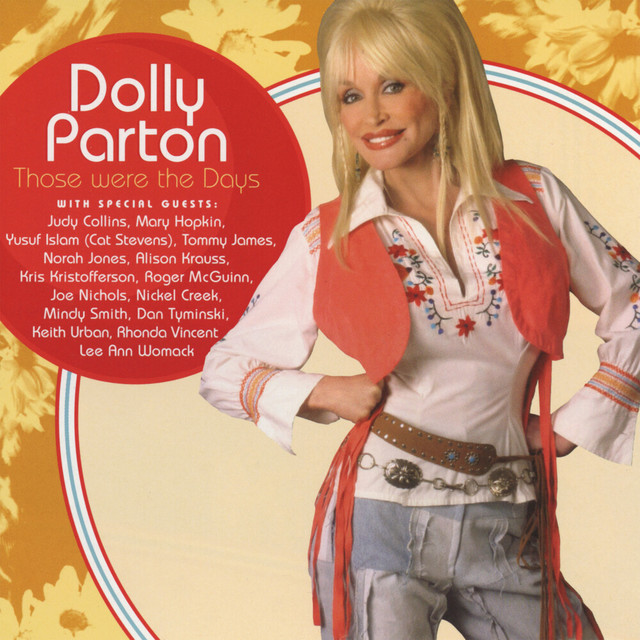
Mary Hopkin's Soviet-era lament about fleeting youth struck a universal nerve that transcended its original nostalgic framing—listeners didn't just miss the past, they ached with the specific pain of lost love nestled within those memories, transforming a wistful reflection into a deeply personal elegy for what could have been.