Emotional Profile
(Heartbreak · Apr 2026)
Those who've loved deeply and lost find themselves returning to 'שער הרחמים' again and again, drawn to how it captures the weight of memory and longing. The song resonates with people navigating grief mixed with hope—those moments when heartbreak becomes a doorway to understanding what truly matters. Listeners connect because it doesn't offer easy comfort, but rather validates the complexity of holding onto both pain and meaning. It's the kind of song people revisit when they need to feel less alone in their sorrow.
When you first hear this song, nostalgia arrives—not just for a moment in time, but for a purity you thought was lost. It unlocks a longing to feel something real again, to remember when authenticity mattered more than everything else. You're suddenly aware of how rare that feeling has become.
You return to this song when you need permission to grieve, or when the world feels too shallow and you need to remember depth exists. It finds you during difficult transitions, medical procedures, after loss, or simply on mornings when you wake up searching for something true. This is where you go when you need to feel less alone in wanting more.
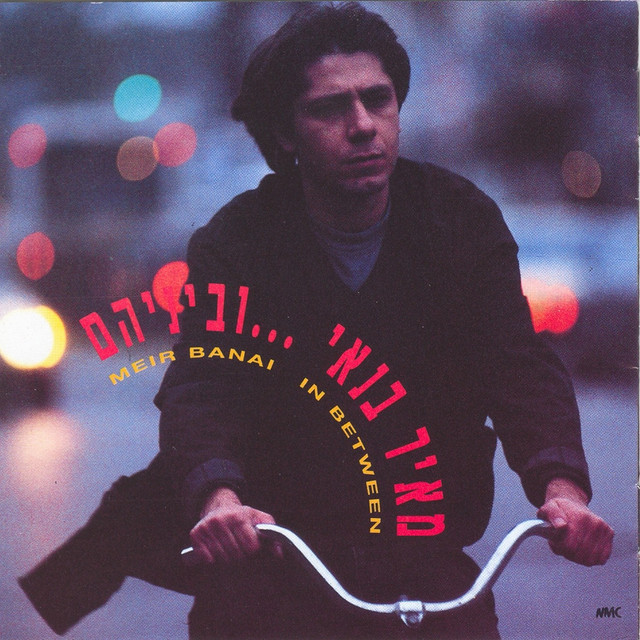
Meir Benayis's composition aims for spiritual transcendence and divine mercy, yet listeners anchored it firmly in human loss—transforming a prayer into a lament for something irretrievably gone. The song's architecture of hope became a vessel for heartbreak, suggesting that when we reach toward grace, we're often reaching backward toward people we've loved.