Emotional Profile
(Inspiration · Apr 2026)
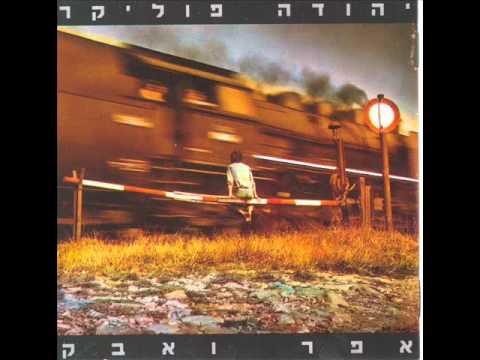
Those who have loved and lost find themselves returning to this song again and again, drawn to how it captures the bittersweet weight of memories that refuse to fade. "אפר ואבק" speaks to people navigating the threshold between holding on and letting go—moments when the past feels both impossibly distant and painfully present. Listeners connect with its ability to transform personal grief into something universal, a quiet acknowledgment that some people and places leave permanent marks on us. It's a song that understands nostalgia not as escape, but as the necessary ache of being changed by someone or something you can never return to.
When you first hear this song, heartbreak arrives—not as a sudden crash, but as a slow recognition of love and loss intertwined. It pulls you inward, demanding that you stop whatever you're doing and sit with the weight of it, connecting you to something far larger than yourself. You leave changed, carrying the story of the woman behind these words with you.
You return to this song when you need to remember what matters most, or when a particular date arrives on the calendar. Whether you're standing at a place of memorial, reflecting on your own history, or simply at a moment when you're ready to feel deeply again, it calls you back—not to escape into sadness, but to honor something sacred.
Polikker and Galeed intended to capture a son's anguished protest against his mother's painful pilgrimage, yet listeners transformed that protective concern into something universally empowering—they heard not a warning about emotional devastation but an affirmation that survivors can reclaim their own narratives and face their ghosts. The song's weight became a catalyst rather than a burden.