Emotional Profile
(Nostalgia · Apr 2026)
People who felt like outsiders in their youth gravitate toward this anthem—those who needed permission to be different find it here. The song captures that pivotal moment when rebellion shifts from lonely defiance to joyful self-acceptance, when the act of refusing to conform becomes genuinely fun. Listeners return to it whenever they need to reconnect with that fearless part of themselves, or to celebrate others brave enough to break the mold.
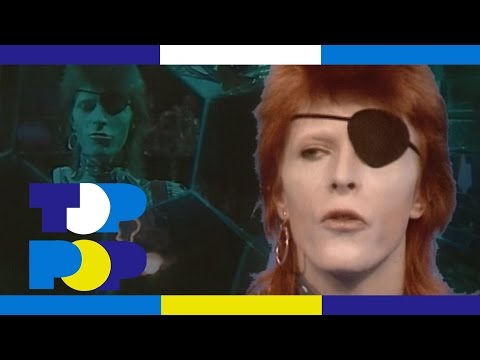
When you hear this song, nostalgia hits first—suddenly you're transported to a time when artists weren't afraid to reinvent themselves completely. That feeling unlocks something electric in you, a recognition that true originality still matters. You're reminded why Bowie felt like a hero to so many, someone who showed you it was okay to be different.
You come back to this song when you need to feel young again, whether you're dancing alone in your room late at night or remembering packed school discos from decades past. It's the track that connects your 15-year-old self to who you are now, a bridge across the years. You return because it still sounds ahead of its time, a quiet proof that some music never gets old.
Bowie intended a provocative statement about sexual identity and artistic reinvention, yet listeners latched onto something simpler—the pure rush of a great rock song from their past. The rebellious message became background noise to the nostalgia, transforming a manifesto about breaking free into a comfortable touchstone of memory.