Emotional Profile
(Nostalgia · May 2026)
Those who've experienced profound transformation or spiritual awakening find deep resonance in this track, as it captures the paradoxical moment when surrendering control becomes the path to freedom. Listeners return to it during quiet introspection, seeking the calm that comes from finally releasing the need to have all the answers. The song speaks to people navigating midlife transitions or creative reinvention, reminding them that losing themselves might actually mean finding who they truly are. Its nostalgic pull draws back those who once felt its message viscerally and now cherish it as a touchstone of personal growth.
A wave of nostalgia hits first, pulling you back to a time when you felt more certain about who you were. This recognition of the past opens something tender—a space where you can sit with memories without judgment, and maybe understand yourself a little better through distance.
You return to this song when you're caught between who you've been and who you're becoming. It's the kind of track that finds you during quiet moments of change, reminding you that losing yourself isn't always a crisis—sometimes it's exactly what you need.
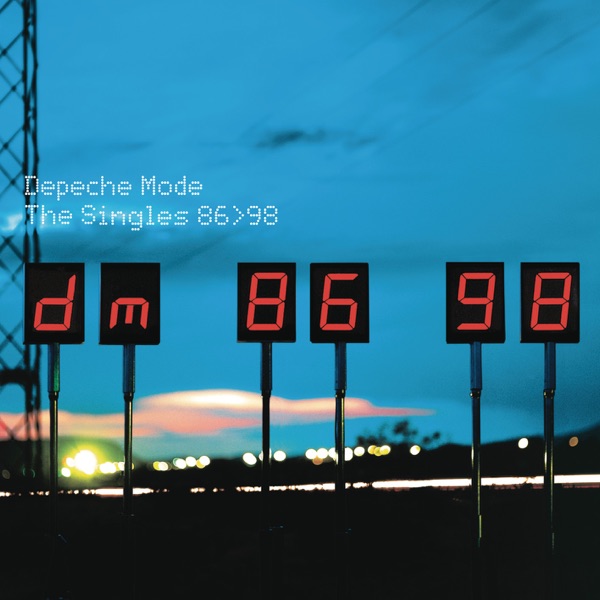
Depeche Mode crafted an introspective meditation on self-dissolution, but listeners didn't hear loss so much as longing—the song became a vessel for remembering who they used to be rather than a warning about ego death. The gap reveals how a song about surrendering identity paradoxically makes people feel most anchored to their own past selves.