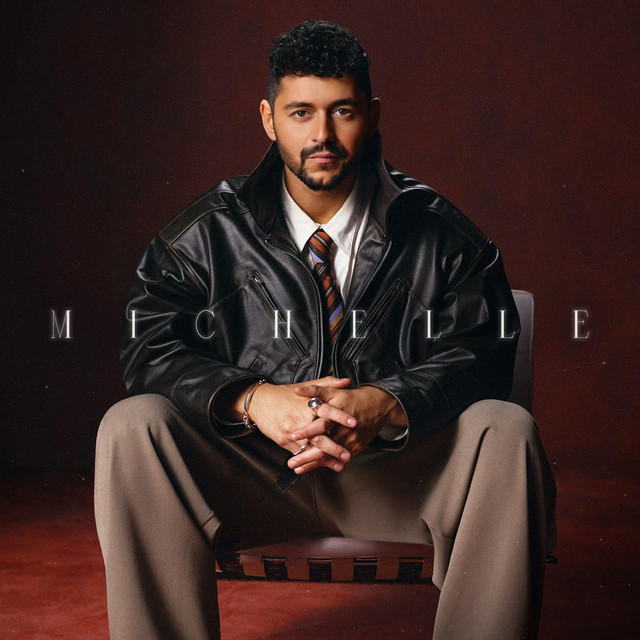
Emotional Profile
(Inspiration · Apr 2026)
People who've loved and lost find themselves returning to 'Michelle' again and again—it's the soundtrack to heartbreak that somehow feels empowering rather than defeating. The song captures that precise moment when pain transforms into fuel, when grief becomes the catalyst for moving forward. Listeners connect with its blend of raw vulnerability and unstoppable momentum, making it perfect for those navigating the messy space between letting go and finding strength. It resonates most with those brave enough to feel deeply while refusing to be broken by what they feel.
When you first hear "Michelle," something breaks open inside you—a sudden recognition that stops you mid-breath. That initial hit of rawness unlocks a need to share it immediately, to ask others "did you hear this?" and watch their faces change the same way yours just did. You realize you're not alone in feeling this.
You come back to this song when you need proof that real emotion still exists. Whether you're on a train to Florence, stuck in traffic, or replaying it obsessively at night, it's the moments when your heart needs to remember it can still be moved that pull you back. Each time it reminds you why you needed to find it in the first place.
The song was designed as Israel's Eurovision calling card—a statement of resilience and forward momentum befitting a competition stage—yet listeners heard something far more intimate in Noam Bettan's voice: the ache of personal loss threading through the aspiration. What the contest intended as a anthem of collective hope became a vehicle for private grief, with inspiration and heartbreak occupying nearly equal emotional weight.