Emotional Profile
(Heartbreak · Apr 2026)
Those who have loved and lost find themselves returning to this song again and again, drawn to its quiet acknowledgment of heartbreak's depth. It speaks to anyone standing at the crossroads between remembering beauty and accepting pain—capturing that bittersweet moment when gratitude and grief become inseparable. Listeners keep coming back because it doesn't offer false comfort; instead, it validates the complexity of surviving love that didn't last, making solitude feel less lonely.
When you hear this song, heartbreak arrives first—but not as fresh pain. Instead, it unlocks something deeper: memories of a love that shaped you, perhaps one you haven't thought about in years. That ache opens a door to understanding why that relationship mattered, why it still does.
You return to this song when life teaches you what the story already knew—that the most beautiful love can also be the most impossible, and that both things can be true at once. It's the song you play when you need to feel that old wound again, not to suffer, but to remember you survived it and it made you who you are.
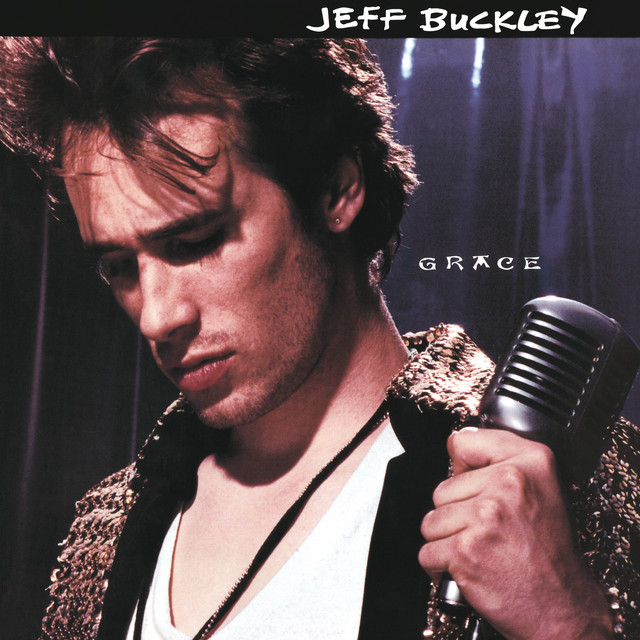
Buckley's interpretation strips away Cohen's theological complexity about broken faith and power dynamics, instead delivering pure melancholy—listeners hear a universal lament about lost love rather than a meditation on how desire unmakes us. The song's genius is that this simplification doesn't betray the original; it fulfills it, because the specific pain of being controlled by love is the same ache that lives in everyone's heartbreak.