Emotional Profile
(Inspiration · Apr 2026)
Those who came of age during punk's rebellion or who've discovered it since find themselves drawn to this anthem as a marker of cultural defiance. The song captures a pivotal moment when a generation rejected the establishment's grip, channeling frustration into a rallying cry that still resonates with anyone questioning authority. Listeners return to it whenever they need to reconnect with that raw, unapologetic spirit of resistance—whether facing their own battles against conformity or simply remembering when they felt most alive.
Anger hits you first—that raw, unfiltered rejection of the world as it is—and it cracks open something deeper: the recognition that your fury might actually mean something. You realize this song gave voice to people with nothing to lose, and somehow that permission to rage feels like permission to exist, even when everything seems rigged against you. Whether you're staring down an uncertain future or just tired of playing by rules that don't serve you, this track becomes your proof that someone else felt it too.
You come back to this when the world proves the prophecy right again. A fresh graduate entering a decimated job market, a new generation watching the same promises fail, or simply a moment when you need to remember that defiance itself is a kind of survival. It's the song you blast at full volume not because it solves anything, but because it refuses to pretend things are okay—and sometimes that refusal is the only honest thing left.
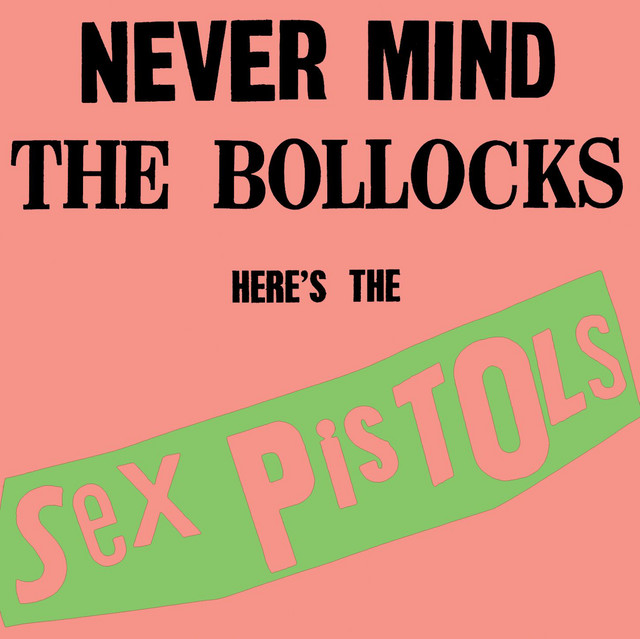
The Sex Pistols meant to detonate a bomb of anarchic fury at the British establishment, but listeners heard something closer to a rallying cry—their rage transmuted into a strange kind of uplift, as if the song's venom somehow became fuel for belief in something better. The anger the band weaponized got weaponized right back into inspiration, a perversion of their nihilism into its opposite.