Emotional Profile
(Nostalgia · Apr 2026)
People caught between ambition and circumstance find themselves deeply moved by this song—those who've watched dreams collide with harsh realities, or who've loved someone while watching their futures drift apart. It captures the specific ache of a relationship that couldn't survive the weight of unfulfilled promises and economic struggle. Listeners return to it whenever they need to sit with the bittersweet memory of hope that didn't quite survive, finding comfort in knowing their disappointment has been witnessed.
Nostalgia hits you first, pulling up memories you thought you'd moved past—a parent playing this in the background, a relationship that shaped your life, dreams you once held close. That initial ache opens something deeper: the realization that this song understands the weight of choices, the cost of staying versus leaving, the fragile hope that things could be different.
You return to this song when life forces you to reckon with your own crossroads. It finds you after loss, when you're grieving someone who shared those dreams with you, or when you're standing at your own junction wondering whether to stay in a familiar pain or risk something unknown. This song becomes permission to acknowledge that sometimes the most important moments in life are the ones where you have to choose.
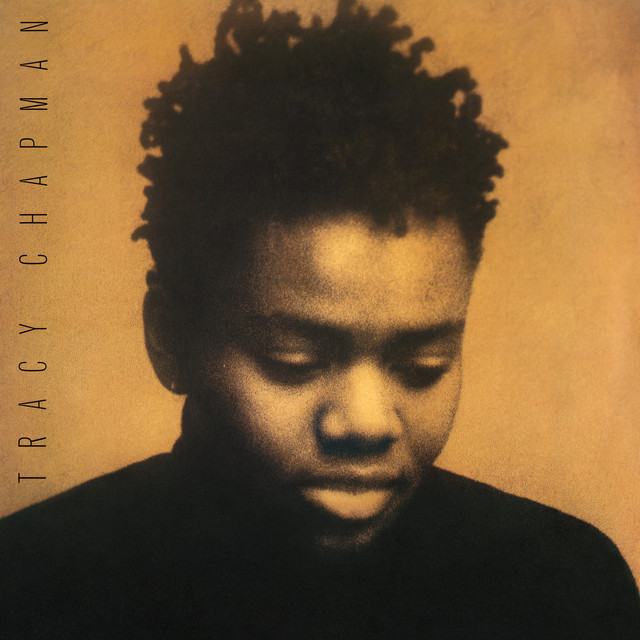
Chapman crafted a narrative of economic desperation and broken promises, yet listeners heard a wistful memory of possibility—the fast car itself became less a symbol of entrapment and more a vessel for nostalgic longing. The song's genius lies in this reversal: where Chapman embedded social critique, people found permission to mourn not poverty, but the loss of hope itself.