Emotional Profile
(Heartbreak · Jul 2026)
People who've experienced loss or complicated family relationships find deep resonance in this dual narrative—one honoring maternal sacrifice, the other celebrating the carefree days before life's weight settled in. Listeners return to this song during moments of reflection, when they're grappling with gratitude for those who raised them or mourning the innocence they've left behind. Those carrying both heartbreak and hope are drawn to how the song captures the tension between honoring the past and acknowledging pain, making it a companion through grief and growth.
Nostalgia hits you first—you're transported back to a time that shaped who you are, and suddenly you're feeling grateful for the people who held you down when things were hard. That recognition opens up something deeper: the understanding that struggle and love are intertwined, and that honoring where you came from is its own kind of strength. You realize you're not just listening to memories; you're reconnecting with the realness that made you.
You come back to this song when you need to remember who believed in you, or when you're going through something that reminds you why loyalty and roots matter. It's there for those moments when you're feeling the weight of your own journey and need to acknowledge both the pain and the people who got you through it. The song becomes a quiet conversation with your past self.
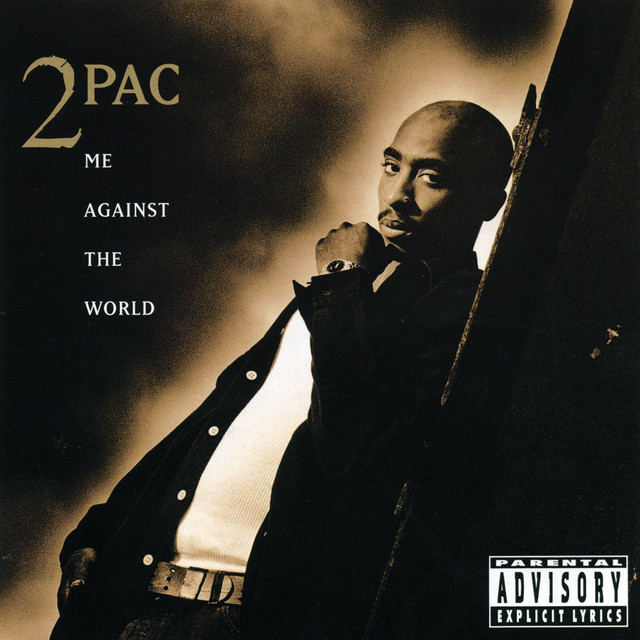
Tupac intended to humanize the street archetype by revealing maternal love as its emotional foundation, but listeners received something rawer: the song became a mirror for their own unprocessed grief over absent or struggling mothers, transforming his personal redemption into collective heartbreak that overshadowed the redemptive message itself.