Emotional Profile
(Nostalgia · Apr 2026)
Rebels and outsiders find their anthem in this track, those who've felt the weight of established systems and craved radical change. The song captures that explosive moment when frustration transforms into defiant energy—when someone decides to stop accepting the world as it is. Listeners return to it whenever they need to reconnect with their own sense of resistance, finding validation that questioning authority isn't just justified, it's necessary. For many, it serves as a time capsule to an era when music felt dangerous and capable of genuine disruption.
When you first hear this song, anger arrives—but it's the clarifying kind, the sort that makes you feel less alone in your frustration. It unlocks something in you that's been waiting for permission: the knowledge that refusing to follow the script is not just allowed, it's powerful. That moment when the music hits and you suddenly understand why your teacher's question felt suffocating, or why giving a different answer felt like an act of courage.
You come back to this song whenever you need to remember who you are beneath the expectations. It's there when you're older and realize the rebellion wasn't about shock value—it was about honesty. It's there when your own kid questions the rules, and you hear in those opening moments the same defiance that once made you feel seen.
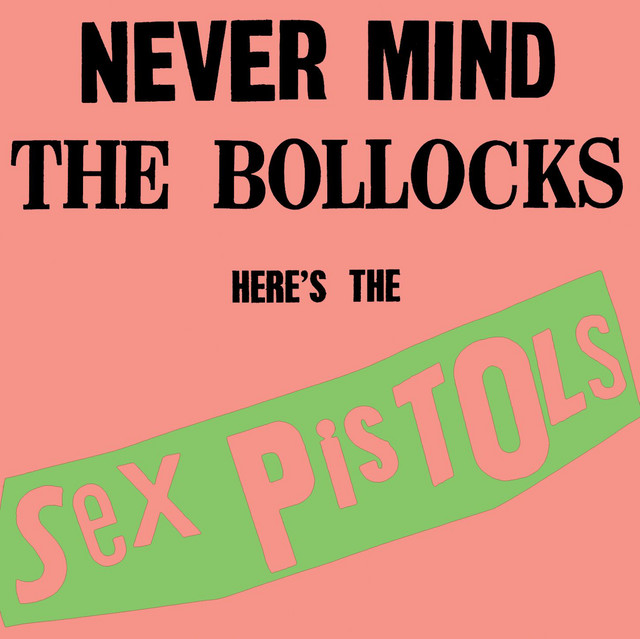
The Sex Pistols intended to ignite revolutionary fury, but instead created a time capsule—listeners hear nostalgia for an era of raw defiance rather than a call to current action. The song's rage has become aestheticized, a thrilling artifact of youthful rebellion that feels safer to admire than to embody.