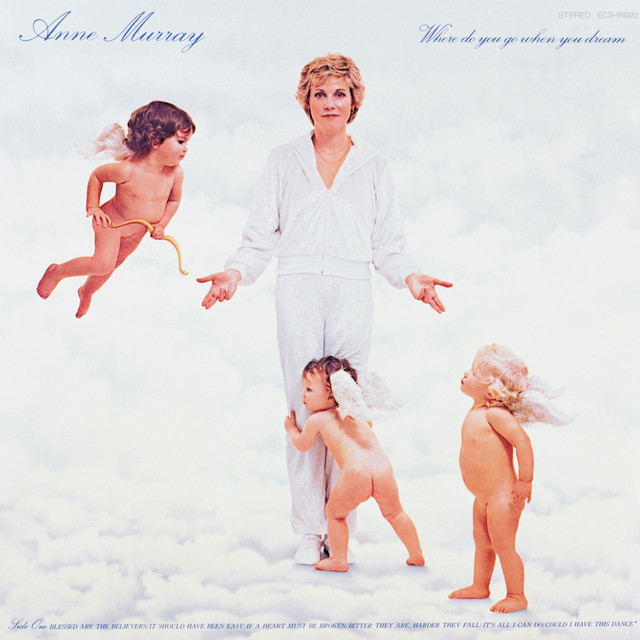
Emotional Profile
(Nostalgia · Jul 2026)
Those who've loved and lost find themselves drawn to this song, as it captures the quiet resignation of holding on when everything feels like it's slipping away. People return to it during moments of acceptance—when the initial pain of heartbreak has settled into a deeper, more contemplative sadness. Listeners recognize in it the experience of doing what little they can to preserve something precious, even when they know it may not be enough. It speaks to anyone who's ever felt the weight of trying their best while knowing some things are simply beyond their control.
A wave of nostalgia hits you first, pulling you back to simpler times—maybe your childhood, maybe just a moment when music felt more honest. That feeling opens the door to something deeper: a gentle heartbreak that doesn't demand your tears, but sits with you quietly. You realize you're longing not just for the song, but for the person or the version of yourself you were when you first heard it.
You return to this song when you need to remember that love doesn't have to be loud to be real. Whether you're tired of what's playing on the radio today, or you're soothing yourself through worry and sadness, this becomes your refuge. It's the kind of track that feels just as alive in 2024 as it did in 1981—timeless because it never tried to be anything but itself.
Anne Murray crafted what sounds like a gentle acceptance of limitation, yet listeners heard something far more wistful—the song unlocked memories of roads not taken and moments already lost. The gap reveals how restraint in voice can feel like longing in the heart, transforming a quiet surrender into an ache for what used to be.