Emotional Profile
(Nostalgia · Nov 2026)
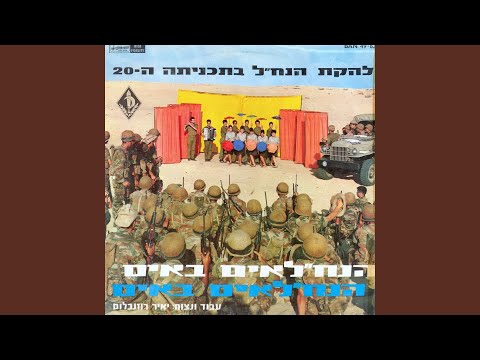
People who grew up with Israeli army radio and long Friday drives back from base will recognize themselves in this waltz. It captures that bittersweet stretch of youth when duty felt heavy and absurd at once, and the years since have turned it into a memory worth holding onto. Listeners who have lost friends from those days, or who miss the version of themselves that still believed in the future, return to it the way one revisits an old photograph. The sadness never raises its voice; it simply waits, and that quiet patience is why it keeps finding people again.
Nostalgia hits you first—not the gentle kind, but the ache of recognizing a time when everything felt clearer, more united, more possible. It cracks open something tender about idealism and sacrifice, unlocking memories of a version of yourself or your country you thought you'd made peace with forgetting.
You return to this song when you need to remember who you were before disillusionment, or when the weight of loss—personal or collective—suddenly demands witnesses. It arrives in moments of grief, patriotism, or when you're searching for proof that beauty and meaning once lived here together.
The song was built to pass as a charming waltz about flowers, with its real anger tucked inside the disguise: a protest against men who treated women soldiers as fair game. Listeners mostly hear the sweetness, drifting into nostalgia for a gentler youth, so the melody's wistfulness reads as longing rather than accusation. The heartbreak they feel may be the very thing the song was hiding, the ache of being called delicate and protected while being quietly diminished, a truth that surfaces only after the flower image falls away.